How Game Monetisation Works: Mobile Games Edition
Mobile game monetisation integrates revenue into your core loop. Learn where ads and IAP belong in progression and when to place them.
Mobile game monetisation is the system that lets a game generate revenue while players are enjoying it. It works by designing purchase opportunities, ad placements, and premium content directly into the game's core progression loop. Games that earn consistently built monetisation into their mechanics from the start, not as an afterthought once the gameplay was done.
Most studios treat monetisation as a late-stage feature instead of a design constraint. Rewarded video feels tacked on. IAP sits unused. Retention drops after the first ad. The models that work treat the economy, the unlock cadence, and the revenue touchpoints as a single system.
What mobile game monetisation actually means
Monetisation is the system that turns player engagement into revenue. It's a decision that shapes your progression system, your reward cadence, and the entire game economy from the first design session.
A free-to-play model means players download and play without paying. Revenue comes from in-app purchases or ad integration. A premium model charges up front. Your choice determines how you build retention loops, how you gate content, and where friction lives in the player experience.
Most mobile games today use one of three patterns:
- In-app purchases - cosmetics, power-ups, or currency packs that players buy directly
- Rewarded ads - players watch a short video to earn a boost or continue playing
- Forced ads - ads appear between levels or after a set interval, whether the player wants them or not
Each pattern pulls the design in a different direction. A game built around rewarded ads needs a tighter conversion funnel and more frequent decision points than one selling cosmetics. We cover the mechanics of building these systems in what a game development studio actually does, but the commercial model comes first - before the tech stack, before the art, and definitely before you start writing code.
How monetisation architecture works, step by step
Monetisation sits inside three architectural layers that run at the same time. The core loop is what players do every session: jump, solve, collect, build. Progression gates content behind levels, unlocks, or currency. Revenue moments are points where the game offers something players can pay for or watch an ad to receive.
We integrate ads and in-app purchases at points where players already pause: after a level ends, before a new feature unlocks, or when they choose to watch for a boost. The game economy decides what costs currency, what players earn through play, and where they hit friction.
Build the core loop first so you know what players enjoy. Then add progression gates to create natural stopping points. Revenue moments come last, placed where they feel like choices rather than interruptions.
Snow World runs this architecture with rewarded video ads placed after each completed level. Players choose to watch for extra coins or continue without them. The ad appears during a result screen the game already needed, so it never breaks the flow.
What it looks like in a real build
We built Snow World and Tocablox World with two different monetisation models because the gameplay demanded it. Snow World is a short-session casual game, so we wired in rewarded video ads and interstitials. Tocablox World is a longer-form progression game where ads would break flow, so we built in-app purchases around decoration packs and premium items.

The monetisation layer sits inside the game loop, not bolted on after. In Tocablox World, the shop is part of the home decoration system. Players unlock base items through play. Premium packs appear as they progress. Offer timing is tuned to when engagement peaks, not when revenue needs a boost.
For ad-based games like Snow World, we place rewarded ads where the player already wants something: extra lives, bonus coins, a second chance. The ad becomes the trade, not an interruption. Interstitials run between natural session breaks. We avoid mid-action placement because it destroys retention faster than it generates revenue.
The game economy shapes the entire conversion funnel. How fast currency accumulates. How much things cost. When scarcity appears. Get the reward cadence wrong and players either never feel the need to spend or hit frustration and uninstall.
Where teams get the model wrong
Most teams pick a monetisation model before they understand their game's retention loop. They see a competitor running ads and copy the setup without checking whether their own progression system can handle the interruption cadence.
Teams building ad-based games add too many progression gates, assuming players will watch ads to skip them. Players leave instead. Teams building IAP-driven games design a free-to-play model with no meaningful friction, so nobody ever needs to buy anything.

The core issue is reward cadence. Ad-supported games monetise through volume, so they need players coming back daily. IAP games monetise through a small cohort of buyers, so they need deep investment in the game economy. Blending the two dilutes both.
When we build a mobile game development system, we structure the progression and monetisation together from the start. The game's retention pattern decides which model fits.
How to tell which model fits your game
Start with the game's natural rhythm. A session-based puzzle game where players drop in for five minutes expects different revenue patterns than an open-world RPG where they stay for an hour.
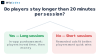
Audience type matters more than genre. Casual players tolerate ads if the reward is immediate. Core gamers expect a premium feel and will pay to remove friction. Kids' games need non-intrusive models because parents control spending.
The conversion funnel changes everything. If 2% of players convert, in-app purchases can carry the game. If conversion sits under 0.5%, you need ad revenue from the 99% who never pay. Most teams guess at this number before launch and get the model wrong.
We saw this with Snow World - a casual snow-themed game where short sessions and broad appeal pointed to rewarded ads. Progression unlocked new areas through gameplay. Ads funded optional boosts without gating content.
Frequently asked questions
Can I bolt monetisation onto an existing game, or does it need to be there from the start?
You can add it later, but the conversion rate and retention will be lower because the progression wasn't designed around it - players hit friction instead of flow.
What's the difference between rewarded ads and interstitials in a mobile game?
Rewarded ads give the player something (extra lives, currency, skips) in exchange for watching; interstitials show between levels or sessions and give nothing, so they feel more intrusive.
How do I know whether my game should use ads, in-app purchases, or both?
If your core loop is short sessions with frequent replays, ads fit naturally; if it's progression-heavy with deep customisation or competitive features, IAP works better - hybrids combine both but need careful balance so neither undermines the other.
What happens to player data when I integrate ad networks or payment SDKs?
Ad networks collect device IDs, session behaviour, and sometimes location for targeting; payment SDKs handle transaction data but most offload storage to the provider - you control what you log and where it goes in your own backend.
Why do some games with ads still make less money than games with higher install costs?
Ad revenue per user is often lower than a single IAP conversion, so games relying only on ads need much higher install volume to break even - IAP games monetise fewer players but at higher yield per player.
How do I test monetisation without annoying early players or skewing the data?
Soft-launch in a small region with a representative audience, run the full monetisation model, and measure retention and ARPU before scaling - testing with ads disabled or placeholder flows gives you install data but not monetisation behaviour.